
How to Buy New Construction Remotely Before Your PCS to San Antonio in 2026
How to Buy New Construction Remotely Before Your PCS to San Antonio in 2026
Key Takeaways
Here’s what matters before you commit:
- Buying new construction before arriving in San Antonio may be possible. Plan for an authorized on-site check, and confirm what the builder and your contract allow.
- Ask whether live video tours are available for the actual lot and home. Model-home photos may show different finishes or features.
- Get design choices, deposits, inspection access, expected completion dates, and approved changes in writing. Builder terms vary.
- Ask early whether the builder permits an independent pre-drywall inspection. Video can help you follow the findings but does not replace the inspector’s work.
- Electronic signatures do not guarantee a fully remote closing. Confirm the permitted process with the lender and title company well ahead of your PCS.

Your PCS orders point to San Antonio, but you are still stationed far from Texas. You have a report date, a household to move, and homes to consider on a screen. You cannot easily stand on a lot, compare finishes, or attend a closing in person. Buying new construction remotely on PCS orders may be possible, depending on the builder, financing, and closing requirements.
I’m Anthony Sharp, a U.S. Air Force veteran and REALTOR® with JBSA Homes. Before we narrow down new construction homes near JBSA, I want to know which installation you’re headed to, when you need to move in, and what payment fits your budget. Those answers tell us more than a model-home photo ever could.
When available, live tours, written selections, and electronic paperwork can help with a purchase from afar. They do not settle every question about the property or the builder’s commitments. Here is what I would check before your move.
Decide Whether a Remote New Build Fits Your PCS
First, decide whether you need a finished home or can wait for one still under construction. A completed quick move-in home, one being built, and a lot with a proposed floor plan offer different choices and risks. Availability and construction stages vary by builder.
Set three dates beside one another: your report date, the builder’s expected completion date, and the day your family needs to move in. They may not match. Household goods can arrive later, and temporary lodging may fill the gap. Even after construction is done, closing and key release can happen on different dates.
With a tight schedule, I would start with finished or nearly finished homes. An earlier-stage build may allow more choices. Either way, completion is an estimate unless your contract says otherwise, and the closing and possession dates need separate confirmation.
Choose the JBSA Area Before the Virtual Tours
A house can look right on camera and still be wrong for your daily drive. Before we arrange tours, I narrow the search around the installation on your orders and the details that matter at the actual address:
| Assignment | Areas to Consider | What I Check Remotely |
|---|---|---|
| JBSA-Randolph | Cibolo, Schertz, Universal City, Selma, and parts of New Braunfels | The route to the reporting gate, weekday traffic, services, and nearby construction |
| JBSA-Lackland | Far west San Antonio, Potranco Road, SH 211, US 90, and parts of the southwest side | The right gate, roadwork, school boundaries, and special-district costs |
| Fort Sam Houston | Converse and parts of northeast San Antonio with suitable access | The actual entrance, travel time, and available new builds |
| Camp Bullis | Northwest and north San Antonio corridors | Road connections, lot conditions, commute, and total monthly cost |
These are possible search areas, not promised commutes or school assignments. Cibolo and Schertz may suit a Randolph assignment; a far west side address that works for Lackland may be inconvenient for Fort Sam Houston. Confirm the actual reporting gate with JBSA, the route at your duty hours, and school assignments with the district. Gate access, traffic, and attendance zones can change.
Use Live Virtual Tours, Not Just Model-Home Photos
Once the area makes sense, the next question is whether the home itself does. A remote tour should show the actual property, not just the builder’s best photos. I split it into two parts:
Live Walkthrough
A builder’s photos or 3D tour can help you shortlist a floor plan. But the model may show paid upgrades, a different exterior, or a layout that is not the one offered on your lot. Those differences belong on the table before you make an offer.
If the builder permits a live video call, ask to revisit anything that is unclear. Start at the street and the lot, then move through the rooms without rushing. Use the floor plan to check dimensions, because a camera can distort space and light and may not capture noise. If work is still underway, keep what is built separate from what appears only on paper.
Property Details
For the property itself, these are the details worth seeing:
- The street in both directions, neighboring lots, nearby utilities, and active construction.
- The driveway slope, garage, yard depth, visible drainage, and any fencing or easements shown in the plans.
- Bedroom doors, closets, hallways, and tight furniture spaces, with measurements checked against the plan.
- Kitchen storage, pantry, laundry connections, bathroom layout, and appliances included in the price.
- Window placement, afternoon sun, patio direction, and the view from the rooms you’ll use most.
- Any differences between the model, your chosen plan, the actual home, and the written specifications.

Choose Design Options Without Losing Track of Costs
After the tour comes a different set of choices: what goes into the home. From a distance, I would handle selections in three parts so the finishes you see are the ones you actually agree to buy:
Available Design Options
Cabinets, countertops, flooring, lighting, electrical additions, and exterior finishes may each have a deadline. Ask whether the builder offers fixed design packages or remote appointments for your lot and construction stage. Available choices and selection deadlines depend on the builder.
Written Selections and Deadlines
Keep the elevation, floor plan version, colors, flooring, cabinets, countertops, appliances, fixtures, and prices together. Sample photos help you remember what you chose. Check the signed selections and contract for the finishes the builder has agreed to install, including any substitution rights.
Ask when choices become final, whether deposits are refundable under your contract, and how substitutions are approved if a product becomes unavailable. If possible, compare daylight photos of actual samples rather than relying on screen colors alone.
Upgrade Costs and Trade-Offs
For each upgrade, ask whether it could affect the price, cash required, appraisal, or expected completion schedule. Your builder and lender can explain which changes they will allow. It is easy to spend on finishes and leave too little for the move, blinds, appliances, landscaping, or the first few months in San Antonio. Keep those costs in the same budget.
Read the Builder Contract Before You Commit
The signed contract should reflect what was agreed during tours and design appointments. Read its provisions for deposits, estimated completion dates, changes, cancellations, and delays. If a selected finish is unavailable, ask what the builder can substitute and whose approval is needed.
Confirm inspection access and the builder’s process for handling findings before the relevant work is covered. Keep written updates and approved changes with the contract. Rights, remedies, and deadlines depend on the signed terms and applicable law; have a qualified professional review anything unclear.
Arrange a Pre-Drywall Inspection You Can Follow by Video
A video call can let you follow an inspection from another state, but it cannot replace an inspector at the property. The practical questions are access and what happens after the report:
Inspection Access and Timing
If site access is permitted before drywall goes up, a qualified independent inspector may be able to examine accessible framing, plumbing, wiring, and other visible work. Ask whether you can join part of the visit by video. The inspector still needs to examine the home in person and document the findings.

The inspection scope and timing depend on the build stage, site safety, local requirements, and the builder’s access rules. Ask a qualified inspector what they can examine and arrange any permitted visit before the relevant work is covered.
Inspection Findings and Follow-Up
Once the inspector has visited, keep a record of:
- Photos showing where each significant issue was found.
- A written inspection report rather than a verbal all-clear.
- The builder’s written response to each concern, including any agreed repair or follow-up.
- Follow-up photos or reinspection findings while the work is still visible.
- Any unresolved item that needs to carry into the final walkthrough or warranty process.
These checks serve different purposes. A builder or municipal inspection does not replace a buyer’s independent inspection. The VA also states that its appraisal is not a home inspection. Confirm which inspections your contract permits and which local approvals are required.
Compare the Full 2026 Cost, Not the Advertised Payment
Once you know what is included in the home, put a price on the full purchase. The base price may leave out lot premiums, upgrades, taxes, insurance, homeowners association fees, special-district charges, and closing costs. A builder incentive may help, but eligibility, availability, and financing conditions vary. Read the written terms before treating it as savings.
If you plan to use a VA-backed loan, talk with your lender about the home’s stage of construction. A completed new home and a build financed from the ground up may require different loan arrangements. VA eligibility, property standards, underwriting, occupancy rules, and each lender’s requirements still apply. If you expect to close before arriving, ask the lender to confirm your occupancy plan and the current rules in writing.
If the builder has a preferred or affiliated lender, compare its Loan Estimate with another lender’s estimate for the same home and loan type. Look beyond the headline rate to the lock period, points, fees, credits, and payment after any temporary buydown ends. Ask whether any incentive depends on using a particular lender and whether the offer can change before closing. An upgrade’s cost also does not guarantee a matching increase in appraised value.
Property taxes deserve a separate look. Texas generally values taxable property as of January 1. Depending on how much was built by that date, an early assessment may reflect land or a partly finished home rather than the completed property. Later taxes and escrow payments could be higher. Ask the local appraisal district and your lender about a finished-home estimate, including any applicable special-district charges. Values, rates, exemptions, and assessments can change each year.
Set Up Remote Signing Before Closing Week
Signing the purchase agreement online does not mean every closing document can be signed the same way. Two parts need attention well before closing:
Signing and Notarization Requirements
A builder may accept electronic signatures on offers and design selections, but that depends on its process. Mortgage and title documents may require notarization or another signing method. Acceptance of electronic signatures on a purchase contract does not establish what the lender will accept at closing.
Before relying on online notarization, check the Texas online notarization requirements and confirm what your lender and title company accept. Texas permits qualifying online notarizations through properly authorized notaries using identity verification and two-way audio-video technology. The law does not require every lender or title company to accept a fully remote closing, and applicable rules can change.
Ask the closing team early whether you can use an online notary, a mobile notary, mailed documents, an approved power of attorney, or an in-person appointment. If you’re overseas, share your location and time zone. Your location, identification, document delivery, and the lender’s and title company’s current requirements can affect the answer. A power of attorney should be used only if all necessary parties approve it.
Remote Closing Checklist
Before closing, have the lender and title company confirm these details for your transaction:
- Confirm who is signing, where they will be, and which IDs they can use.
- Get the lender’s and title company’s approval for the signing and notarization method.
- Review the Closing Disclosure when required for your loan, along with cash to close and verified payment instructions.
- Check that the final walkthrough is done and outstanding issues are recorded.
- Confirm when funding, required recording, possession, and key release are expected under your contract and local closing process.
- Before wiring money, call the title or settlement company on a number you verified independently. Do not act on last-minute email changes to wiring instructions.
Leave Room for Delays and Your Next PCS
A nearly finished home may still need utility connections, local approvals, lender sign-off, or a confirmed closing date. These requirements vary by property and municipality. Price out temporary lodging, storage, and household-goods arrangements in case your expected move-in date changes.
Builder milestones and lender deadlines don’t always fit neatly into a 90-day PCS homebuying timeline. The closer those deadlines fall to your report date, the less room you have for unexpected delays.
When weighing new construction versus resale near JBSA, include any lodging and storage costs a delayed build could bring. Depending on your schedule, a finished new build, an established home, or temporary housing may be the better fit.
Arrive Knowing What You’re Buying
Depending on the builder, inspector, lender, and title company, you may be able to handle tours, design appointments, and some paperwork without traveling to San Antonio first. What matters is knowing the property, the written terms, the total cost, the inspection findings, and the approved closing plan. Those are the details worth settling before moving day.
As a military relocation REALTOR® in San Antonio, I want the home to fit your orders and daily life, not just the builder’s available inventory. You should arrive knowing what you agreed to buy, what still needs attention, and when you can expect the keys.
Frequently Asked Questions (FAQs)
These are the questions I hear most often about buying a new build from a distance:
Can I buy a new construction home in San Antonio without visiting in person?
Potentially. If the builder permits virtual access, you may be able to tour by video and review documents electronically. I recommend an independent on-site inspection where allowed. The lender and title company must confirm a workable signing and closing method for your circumstances.
How do military buyers choose a floor plan and finishes remotely?
Ask whether the builder offers a live walkthrough of the actual home or plan, along with the standard-feature list, sample photos, and written selections with prices. Confirm which options, deadlines, and substitutions are allowed for your build stage. The model may differ from the home you buy.
Should I get a pre-drywall inspection on a new build?
Ask a qualified independent inspector whether a pre-drywall visit would be useful and whether your builder allows access. If permitted, the inspector can document visible work before the walls close. Keep the report and written responses, then confirm any final-stage inspection rights in the contract.
Can I close on a Texas house while stationed elsewhere or overseas?
Possibly. Texas allows qualifying online notarization, but whether you can close from another state or overseas depends on your location, identification, the documents, and the lender’s and title company’s policies. A mobile notary, mailed documents, approved power of attorney, or in-person signing may be required. Confirm the method early.
Can I use a VA loan to buy a new home before my PCS?
VA-backed financing can be used for qualifying purchases and construction loans, but credit, income, occupancy, property, and lender requirements apply. If you expect to close before your PCS, ask the lender to review your proposed occupancy timing. VA rules and lender policies can change, and the VA appraisal is not a home inspection.
What happens if my builder misses the completion date?
Review your contract’s delay and remedy terms with a qualified professional. Ask the builder and lender how a change affects the expected completion date, rate lock, and closing. Your rights depend on the signed contract and applicable law, so keep lodging and storage alternatives ready.
Ready to Plan Your Remote New-Build Purchase?
Share your installation, report date, current location, budget, and any floor plans you like through the JBSA Homes contact form. We can start with the homes that fit your move and work through the questions you need answered before you commit.
Call or text: 210-997-0763
Email: anthony@sharprealtygrouptx.com
Office: 213 Terramar, Cibolo, TX 78108
* * *
Disclaimer: This article is for general information only, not legal, financial, tax, or lending advice. Builder timelines, inspection access, financing requirements, costs, and remote closing options vary and may change. Confirm current requirements with the relevant builder, lender, title company, or qualified professional before making decisions.
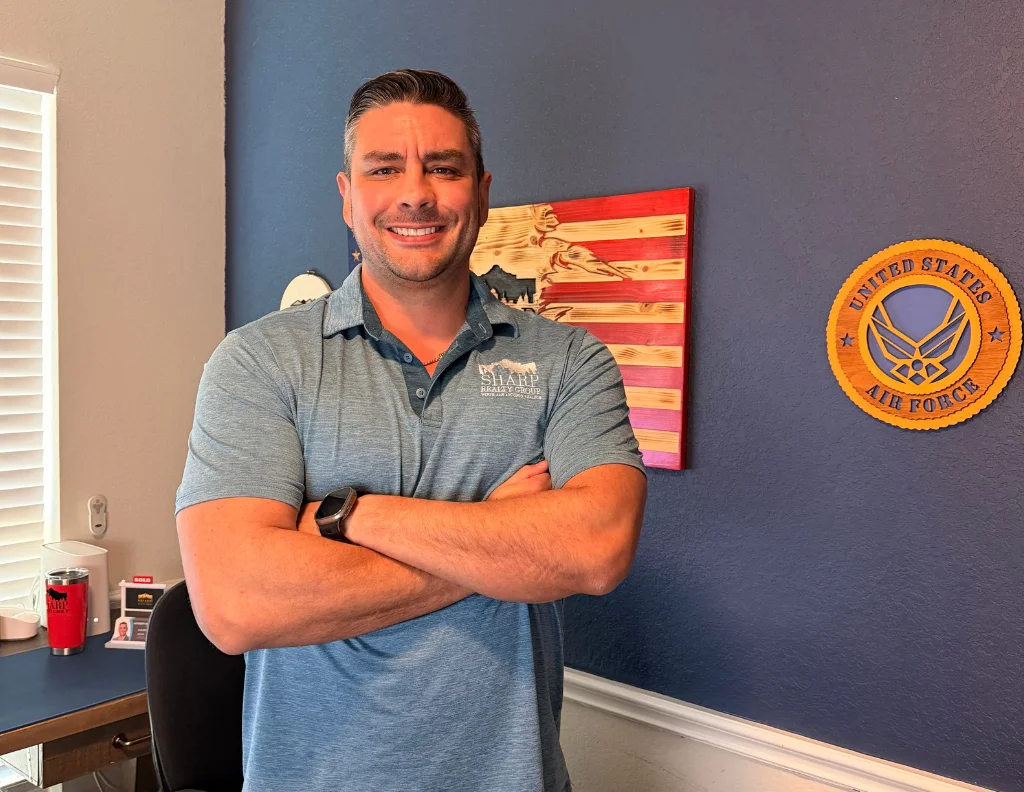
Anthony Sharp
Anthony Sharp is a U.S. Air Force veteran and REALTOR® with JBSA Homes, brokered by Real Broker, LLC (Texas License ID 734794). He helps military families buy, sell, and relocate across Joint Base San Antonio, including JBSA-Lackland, JBSA-Randolph, Fort Sam Houston, and Camp Bullis. Anthony appears on the 2026 San Antonio Platinum Top 500 list and has served on the Cibolo Planning and Zoning Commission. He also discusses his experience with rental homes in his published real estate commentary.
Pingback:VA Loans for New Construction in San Antonio | 2026 PCS
Pingback:Buying a House Before Deployment in San Antonio (2026)
Pingback:San Antonio Home Builders | 2026 PCS Buyer Comparison
Pingback:New Construction Near Randolph AFB | PCS Guide