
VA Loans for New Construction in San Antonio: 2026 PCS Buyer’s Guide
VA Loans for New Construction in San Antonio: 2026 PCS Buyer’s Guide
Key Takeaways
For military families relocating to JBSA, VA loans for new construction in San Antonio can make buying an eligible new-build home possible. Before signing a builder contract, there are a few important things to confirm:
- A VA-backed purchase loan can finance an eligible new builder home. A custom build usually involves different financing and lender requirements.
- Zero down may be possible, depending on entitlement, the appraisal and lender approval. Deposits, closing costs, any funding fee and the monthly payment still matter.
- A Certificate of Eligibility confirms service eligibility. It doesn’t guarantee mortgage approval or mean every new home will qualify.
- Builder estimates can change. Check completion and possession dates against your orders and the lender’s occupancy requirements.
- A VA appraisal isn’t a home inspection. Ask what the lender requires for closing and when you can arrange an independent inspection.

You have orders to Joint Base San Antonio, a report date to work around and a new home that looks like a good fit. Then the financing questions start. Can you use your VA benefit on a house that’s still being built? Will it be ready before your family arrives? And how much cash will you need before closing?
I’m Anthony Sharp, a U.S. Air Force veteran and REALTOR® with JBSA Homes. Before we compare new construction homes near JBSA, I start with your assigned installation, report date and lender’s financing requirements. A home’s advertised price and completion date only tell part of the story.
Whether you’re heading to Randolph, Lackland, Fort Sam Houston or Camp Bullis, the goal is the same: find a new build you can finance and move into without losing sight of your PCS timeline. Here’s how I work through the VA loan questions with buyers before they commit to a builder.
VA Loan Options for New Construction Homes
The first thing to establish is whether you’re buying a home from a builder or financing construction yourself:
Buying a Finished or Nearly Finished Builder Home
For many PCS buyers, a builder-owned home is the simpler path. You sign a purchase contract and apply for a VA-backed purchase loan. Closing depends on approval of you and the property, along with the required builder and local completion documents. Builders may call these homes inventory, spec or quick move-in homes, but those labels don’t confirm when you can get the keys.
Even a home that looks finished may still need local approvals, final inspections or paperwork required by that lender. Requirements vary by location, property and loan. I ask the builder what’s still outstanding, whether the required occupancy approval has been issued and when possession is expected. Until those pieces are in place, I treat the closing date as a target, not a promise.
Financing a Custom Build on a Lot
If you’re buying land and hiring a builder to construct the house, that’s a different financing arrangement. Ask whether the lender offers VA construction-to-permanent loans. Some arrangements combine construction and permanent financing into one closing; others involve interim financing followed by a permanent VA loan.
Not every lender offering VA purchase loans provides construction financing. The loan structure, builder documentation, draw schedule, appraisal and cash requirements vary by lender and project. Before putting money toward a lot or custom-build contract, I want the lender to confirm that the proposed financing works for that property and project.
VA Eligibility and Lender Review
A Certificate of Eligibility (COE) establishes service eligibility, but the lender still has to review your finances and the purchase itself:
COE, Entitlement and Budget Review
A VA lender can usually help you get your COE. If you’ve already used your benefit at another duty station and still own that home, ask the lender to calculate your remaining entitlement. You may be able to use the benefit again. The lender must calculate your remaining entitlement against the proposed loan before confirming whether any down payment is needed.
VA does not set a minimum credit score for its guaranty, but individual lenders may. Their underwriting also considers credit history, debts, verifiable income and residual income, and their requirements can change. Give the lender a clear picture of your military pay, housing allowance, current mortgage, PCS schedule and any income that may change during the move.
If your spouse expects to leave a job during the move, raise it before paying a builder deposit. The lender decides whether that income can count under the rules and documentation applicable to your loan.
Zero-Down Payments and Upfront Costs
Qualified buyers may be able to use a VA-backed loan with no down payment, subject to entitlement, the appraisal and lender approval. VA-backed loans do not require monthly private mortgage insurance, although loan terms and other costs vary.
Still, zero down doesn’t mean you can close with no cash. You may pay earnest money, inspection fees, allowable closing charges, prepaid insurance or escrow deposits. The exact items and who pays them depend on the lender, contract and applicable VA rules. If the appraisal is below the agreed price, that difference also needs to be addressed. A deposit might be credited at closing, but you have to provide it when it’s due.
That’s why I ask for a lender estimate based on the actual home and contract, rather than relying on a builder’s advertised monthly payment. The amount you need upfront and the payment you’ll carry after closing both matter.
2026 VA Funding Fees
Under the VA fee schedule in effect as of October 2026, most VA-backed purchase and construction loans carry a one-time fee of 2.15% for first use with less than 5% down, or 3.3% for subsequent use with less than 5% down. The rate is generally 1.5% with at least 5% down and 1.25% with at least 10% down. These are not mortgage interest rates. VA can revise its fee schedule, and the lender must confirm the rate that applies at closing.
Some borrowers are exempt, including eligible recipients of service-connected disability compensation and certain service members or surviving spouses. Exemption depends on VA eligibility criteria and the borrower’s verified status at closing, so ask the lender to confirm it.
For illustration, a first-use buyer with a $350,000 base loan, less than 5% down and no exemption would owe a $7,525 funding fee at 2.15%. If eligible to finance it, that fee increases the loan balance and interest paid over time. The example assumes the stated loan amount and current fee schedule; it is not a quote or approval estimate.
When we account for the VA funding fee and other closing costs, I ask the lender to separate the funding fee, which may be financed, from ordinary purchase closing charges, which generally cannot be added to the VA loan. Builder credits may cover allowable costs, but eligibility and seller-concession limits depend on VA rules and the final loan terms.

VA Appraisal and Property Requirements
A brand-new home still has to meet the lender’s requirements for value, condition and completion:
VA Builder ID Rules
Under VA Circular 26-25-1, effective March 31, 2025, a VA-issued builder identification number is no longer needed to process VA-guaranteed loans on new or proposed construction. That rule remained in place when checked in October 2026, but it is subject to future VA updates.
State and local licensing, construction and lender requirements still apply. Specially Adapted Housing grants and Native American Direct Loans have different builder-ID requirements, so confirm the exact program with the lender or VA.
VA Appraisal Scope and Limits
A VA appraisal addresses the home’s value and minimum property requirements. It isn’t a full inspection, a builder warranty or a promise that the house has no defects.
Closing documents depend on the construction stage, local inspection system and lender. They may include local inspection records, proof of completion, a certificate of occupancy where issued, and the warranty documents required for that type of construction. I ask what the builder already has and what won’t be available until final approval. A home can look finished before the lender is ready to fund it.
Low Appraisals and Contract Protections
The contract price and VA appraised value aren’t always the same. If the appraisal comes in low, talk to the lender before agreeing to bring extra cash. Depending on the circumstances, the next step might be a reconsideration of value through the lender, a renegotiation, an allowable cash difference or a contract protection.
When a VA purchase contract is signed before the VA Notice of Value is issued, it must include the VA escape clause. If the VA value is below the contract price, that clause can protect the buyer from being forced to close or forfeiting earnest money for that reason. It does not automatically cover separate builder upgrade deposits. Deposit and cancellation terms still need a careful contract review, and remedies depend on the facts and applicable rules.
VA Occupancy Requirements During a PCS
A VA-backed purchase loan is intended for a primary residence, so closing and move-in plans need to make sense together:
VA Move-In Timing
Under current VA guidance, occupancy within 60 days after closing is generally considered reasonable. A later date may be permitted when specific circumstances and a definite occupancy date are documented. Occupancy beyond 12 months is generally not considered reasonable. These are VA guidelines, not an automatic lender approval; confirm how they apply to your orders and loan.
For an active-duty buyer unable to occupy the home promptly, occupancy by a spouse or dependent child may satisfy the requirement under VA rules. Certification and documentation requirements differ, particularly for a dependent child. The lender must review the actual arrangement. Tell the lender who’s moving in, when they’ll arrive and how your orders affect that plan. Get the lender’s confirmation before you commit.
Builder and PCS Schedules
A builder’s target finish date is only one part of the schedule. Local approvals, lender funding, closing and key release can all shift based on the contract, local authorities and the lender. I put those dates together so we can see where a delay would create a problem for the move.
If you’re handling a new-construction purchase before your PCS to San Antonio while stationed elsewhere, confirm signing and identity-verification procedures with your lender and title company well before closing. Remote options depend on their policies and the transaction. Being able to sign remotely doesn’t mean the home will be ready when you arrive.
Backup Housing for Construction Delays
I also want a backup plan if the house isn’t finished on schedule. Where could your family stay? What would happen to your household goods, storage and pets? Whether temporary lodging, storage or other expenses qualify for reimbursement depends on your orders and current military travel rules. Confirm with your relocation or finance office rather than counting on the builder’s estimated date.
Total Cost of a New Construction Home
The builder’s payment estimate is a starting point, not the whole cost of owning the home:
Completed-Home Property Taxes
In Bexar County, property is generally valued according to its condition on January 1, so an early bill may reflect a lot or an unfinished home. When I estimate new construction property taxes in San Antonio, I use a completed-home estimate rather than assuming the early bill will continue. Actual amounts and escrow adjustments depend on the appraisal district, location, tax rates, exemptions and servicer policies.
I also ask for an insurance quote on the specific address and account for HOA dues, utilities and regular maintenance. Basic Allowance for Housing helps set a starting budget, but it doesn’t make a particular payment affordable or guarantee lender approval.
Builder Credits and Promotional Rates
A builder may offer a temporary rate buydown, a promotional mortgage rate or closing-cost assistance. Availability and terms depend on the builder, lender and specific home, and the offers are not interchangeable. If a payment is temporarily reduced, I want to know what it becomes afterward, how the rate lock works and what conditions apply.
If an offer depends on a particular lender or title company, compare written Loan Estimates on equivalent terms. Eligibility, pricing, available credits and deadlines can change. The written offer should spell out the price, incentives, rate, lock period, closing charges and restrictions. Your lender can then show how much cash you’ll need at closing and what the payment looks like after a promotion ends.

Builder Questions Before Signing
Before a buyer pays a deposit, I want the builder’s promises and the buyer’s obligations clear in writing:
Deposits, Upgrades and Deadlines
Builder contracts may require earnest money, lot deposits or upgrade payments. Refund rights, financing contingencies and delay provisions depend on the signed contract and applicable law, so ask for the exact terms in writing. I don’t rely on a verbal answer at the model home when the contract says something else.
A signing incentive doesn’t replace a careful review of the appraisal clause, financing terms, inspection access, construction deadlines or cancellation rights. If the wording is unclear, a qualified Texas real estate attorney can review it before you sign.
Construction Documents and Warranties
Find out which completion records and warranties the builder must provide for your financing arrangement, when you’ll receive them and who handles defects after closing. Coverage and claim procedures depend on the warranty and applicable requirements. Some records may be required by the lender, while others describe what the builder has agreed to do. Both belong in your review of the purchase.
Independent Inspection Access
Ask whether the contract allows an independent inspector and when that inspector can enter the property. Pre-drywall or final inspection access depends on construction progress, builder policies and the signed agreement. Neither a municipal inspection nor a VA appraisal replaces your own inspection. If something turns up, clarify how the builder will handle it and which deadlines apply.
New-Build Search Areas Around JBSA
VA financing does not limit you to one San Antonio neighborhood. Home availability, builder participation, pricing and routes change, so I start with the assignment and check individual addresses:
Randolph: Schertz, Cibolo and Nearby Communities
For Randolph assignments, buyers may compare Schertz, Cibolo, Universal City, Selma and nearby communities. Available new builds and travel times depend on the address and installation entrance. I check the drive to the gate you’ll use rather than assume homes in the same city have similar commutes.
Lackland: West and Far West San Antonio
West and far west San Antonio may have new builds for Lackland buyers, but inventory and completion dates change. Once we know your reporting location and likely gate, we can separate homes that are ready to close from those with work still to finish. That matters when the report date is close.
Fort Sam Houston: Northeast and East San Antonio
Converse, Live Oak and parts of northeast or east San Antonio may be worth considering, depending on the reporting location and current inventory. I compare the actual route to the entrance you expect to use before narrowing the search to particular builder communities.
Camp Bullis: North and Northwest San Antonio
North and northwest San Antonio may suit some Camp Bullis assignments, depending on the route and available homes. I weigh the drive alongside completion status. A home at a lower price isn’t necessarily a better fit if a long construction delay means paying for temporary housing.
Pre-Offer VA New Construction Checklist
Before you hand over a deposit, make sure you can answer these five questions:
- Loan and budget: Has the lender reviewed your COE, remaining entitlement if applicable, estimated cash to close and full monthly payment?
- The home: Is it builder-owned inventory or a custom build? Do you have the address, included features and current completion status?
- VA requirements: Which appraisal, completion, local inspection and warranty documents does the lender need?
- PCS dates: Who will occupy the home, when will they move in and what happens if completion is delayed?
- The contract: Are the deposit, upgrade, cancellation, appraisal and closing provisions clear in writing?
If an answer is missing, I’d rather get it settled than have you make a decision based on a model-home conversation.
Frequently Asked Questions (FAQs)
These are the questions that most often come up when a PCS buyer looks at a new builder home:
Can I use a VA loan to buy a brand-new home from a builder in San Antonio?
Yes. An eligible buyer may use a VA-backed purchase loan for a new builder home, subject to the lender’s approval of the borrower and property, the appraisal, and any applicable construction-completion requirements.
Is a VA construction loan the same as a VA loan for a new builder home?
No. Builder-owned inventory typically uses a VA purchase loan. A custom project may need one-time or two-time construction financing; lender offerings, timing and underwriting rules vary.
Do I need a down payment for a VA new construction home?
Not always. Eligible borrowers may qualify with zero down, though deposits, closing costs, inspections or an appraisal difference can still require cash. Your lender needs to review the transaction.
Does the builder need a VA builder ID in 2026?
Generally not for VA-guaranteed new or proposed construction. VA removed that requirement effective March 31, 2025. Specialized programs still have separate rules, and VA may update the policy.
What if the new home isn’t finished by my PCS report date?
Your report date doesn’t require the builder or lender to close. Review the contract’s delay terms, ask about financing and rate-lock effects, and arrange a backup housing plan before relying on a target move-in date.
Does a VA appraisal replace an independent home inspection?
No. The appraisal addresses value and minimum property requirements. An independent inspection can identify other visible concerns, so ask about access and deadlines for requesting fixes.
Can my spouse move into the home before I arrive on PCS orders?
In certain active-duty situations, a spouse’s occupancy may satisfy VA rules. Your lender must review the planned move-in date and required certification before confirming eligibility.
Can I use my VA benefit again if I own a home at another duty station?
Possibly. A lender must calculate remaining entitlement and review the new loan to determine whether a down payment or other condition applies.
Choosing a VA New Build That Works for Your PCS
A home can have the right floor plan and still be the wrong purchase for your move. It needs to fit your budget, meet the lender’s requirements and be ready on a timeline your family can manage. Those are the things I want sorted out before you pay for a lot or upgrades, not after the contract is signed.
As a Military Relocation Specialist, I help families bring the builder’s schedule, VA financing and PCS orders into the same decision. The aim is a clearer path to closing, whether you’re reporting to Randolph, Lackland, Fort Sam Houston or Camp Bullis.
Ready to Review a New Build Before Your PCS?
When you submit the consultation request form, include your assigned installation, report date, budget and any builder listings or documents you already have. I’ll help you narrow the options and identify what the builder and lender still need to confirm.
Call or text: 210-997-0763
Email: anthony@sharprealtygrouptx.com
Office: 213 Terramar, Cibolo, TX 78108
Disclaimer: This article provides general real estate information as of October 26, 2026, not individual mortgage, financial, tax or legal advice. VA rules and fee schedules, lender underwriting, builder and title-company policies, local building requirements, property taxes, benefits, incentives, and contract terms may change or differ by property and borrower. Examples are illustrative, not quotes or guarantees. Confirm current eligibility, figures, documents, occupancy arrangements, dates and contract protections with the relevant lender, VA, builder, local authority or qualified professional before signing or paying a deposit.
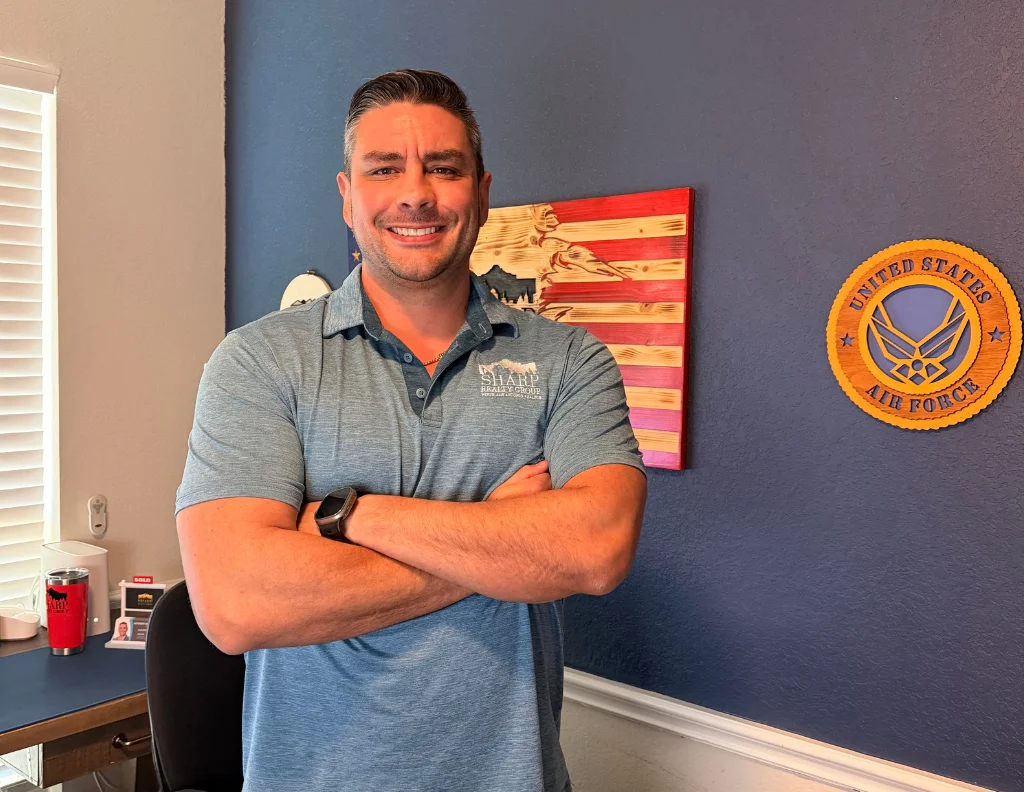
Anthony Sharp
Anthony Sharp is a U.S. Air Force veteran and REALTOR® with JBSA Homes, brokered by Real Broker, LLC (Texas License ID 734794). He helps military families buy, sell, and relocate across Joint Base San Antonio, including JBSA-Lackland, JBSA-Randolph, Fort Sam Houston, and Camp Bullis. His work focuses on military PCS moves and home purchases near JBSA, including new-construction properties. Specific financing and closing arrangements depend on the property, builder and lender.
Pingback:Buy a New Build in San Antonio | Now or Wait in 2026
Pingback:San Antonio Home Builders | 2026 PCS Buyer Comparison
Pingback:JBSA BAH New Build Budget | BAH San Antonio 2026